The Insider Threat Accidental vs. Malicious
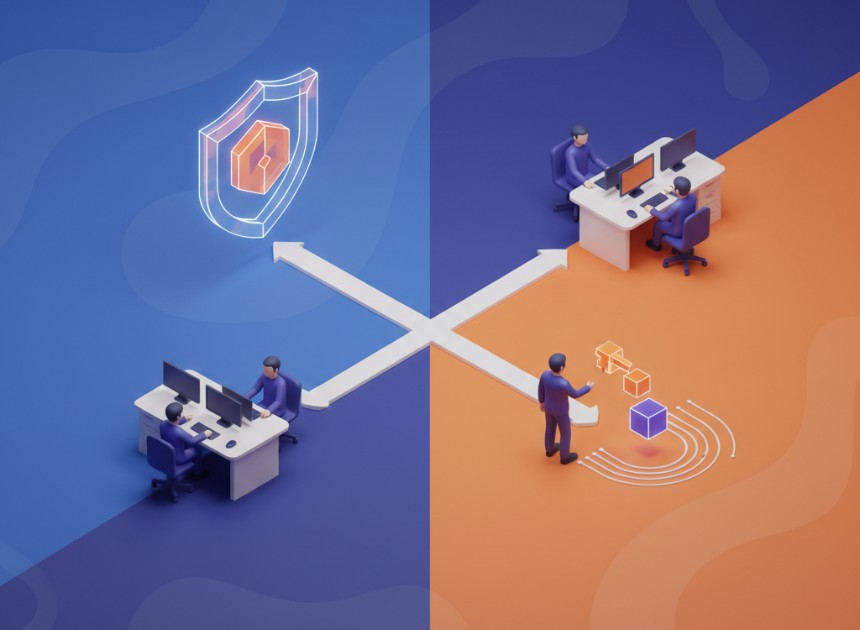
The Insider Threat: Accidental vs. Malicious
When we discuss cybersecurity, the conversation often drifts toward external actors—hackers in distant locations attempting to breach the perimeter. However, as many seasoned leaders have discovered, the most significant risk often resides within the organization. The Insider Threat is a complex phenomenon that requires a nuanced understanding of human behavior, access management, and organizational culture.
Defining the Two Faces of Internal Risk
At iExperts, we categorize internal risks into two primary buckets: the accidental insider and the malicious actor. Understanding the distinction is critical for developing a response strategy that aligns with frameworks like ISO/IEC 27001:2022 and NIST CSF 2.0.
- The Accidental Insider: This individual has no intent to cause harm. They might fall victim to a sophisticated phishing attack, misconfigure a cloud database, or send sensitive information to the wrong recipient. This is a failure of process or awareness.
- The Malicious Insider: This individual intentionally seeks to exfiltrate data, sabotage systems, or commit fraud. Whether motivated by financial gain or personal grievance, their actions are calculated and deliberate.
Mitigation through Access Control
The most effective technical defense against both types of threats is the implementation of rigorous access controls. By adhering to the principle of least privilege, organizations can ensure that an accidental error or a malicious intent is contained within a limited scope.
- Role-Based Access Control (RBAC)
- Multi-Factor Authentication (MFA)
- Just-In-Time Access Provisioning
"Technical controls are only half the battle; a resilient organization must build a culture where security is a shared responsibility, not a hurdle to productivity."
Pro Tip
When implementing the NIST CSF 2.0 framework, focus on the 'Protect' and 'Detect' functions by auditing your Identity and Access Management (IAM) logs regularly to identify anomalies in user behavior before they escalate into breaches.
Fostering a Security-First Culture
While tools are essential, iExperts advocates for a culture-driven approach to mitigate accidental threats. Training should move beyond annual compliance checkboxes to become continuous, engaging, and relevant. When employees feel empowered to report suspicious activity without fear of retribution, the entire organization becomes a human sensor network against both accidental and malicious actors.
In conclusion, managing the insider threat requires a balance of technical governance and psychological insight. By combining strict standards with a supportive culture, businesses can protect their most valuable assets from those who have the closest access to them.