Gamifying Compliance Making Training Fun and Effective
Gamifying Compliance: Making Training Fun and Effective
For decades, corporate compliance training has been synonymous with uninspired slide decks and mandatory annual videos that employees play in the background. In the modern threat landscape, where the human element remains the primary vector for breaches, this passive approach is no longer sufficient. To truly mitigate risk, organizations must pivot from simple awareness to active engagement. At iExperts, we have observed that the most resilient organizations are those that treat security education as a continuous, interactive journey rather than a check-the-box exercise.
The Psychology of Engagement
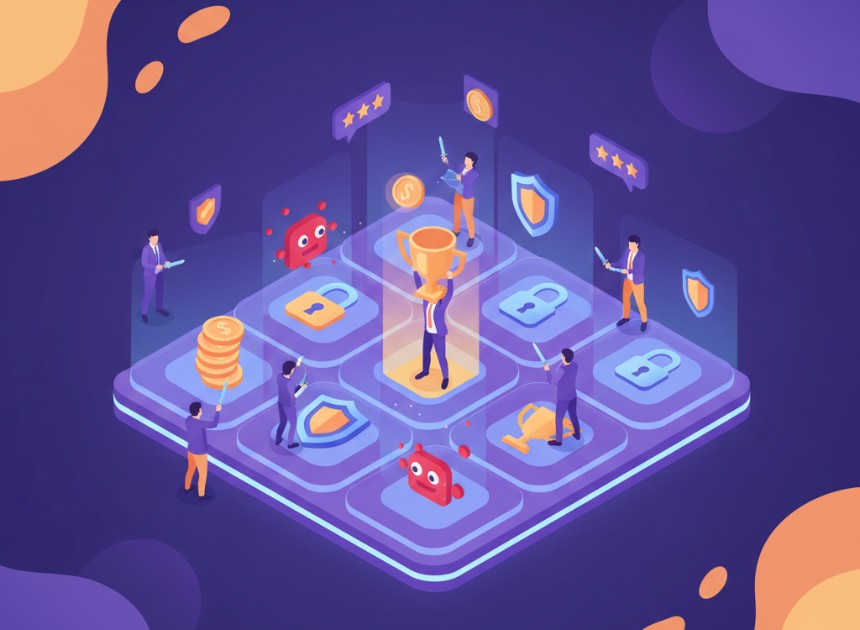
Traditional training often fails because it lacks emotional resonance and immediate feedback. Gamification solves this by integrating game-design elements into the learning process. By leveraging the brain's reward systems, organizations can foster a culture where employees actually look forward to security updates. This is not just about points and leaderboards; it is about creating a safe environment to fail, learn, and improve. When aligned with standards like NIST CSF 2.0, gamified training ensures that every member of the organization understands their specific role in the security ecosystem.
Key Elements of High-Engagement Training
- Narrative-Driven Scenarios: Placing employees in the shoes of a security analyst or a target of a social engineering attack creates context and empathy.
- Immediate Feedback Loops: Users should know instantly why a choice was correct or incorrect, reinforcing the learning objective in real-time.
- Micro-Learning Modules: Short, digestible bursts of content prevent cognitive overload and fit easily into a busy workday.
- Progress Tracking: Visualizing growth through levels or badges encourages a sense of mastery and accomplishment.
Aligning with Global Standards
Regulators and auditors are increasingly looking for evidence of training effectiveness, not just completion. For instance, ISO/IEC 27001:2022 Control 5.10 explicitly requires that personnel receive appropriate information security awareness and training. Gamification provides the quantitative data—such as time spent on tasks, accuracy rates, and improvement over time—that serves as robust evidence during a certification audit.
- ISO 27001 Evidence
- PCI DSS 4.0 Readiness
- GDPR Compliance
"Compliance is a baseline; security is a culture. Gamification is the bridge that connects the two by making the right behaviors instinctive."
Pro Tip
Focus on Behavioral Analytics. Use the data from your gamified platform to identify which specific departments are struggling with particular concepts, such as tailgating or phishing, and tailor your next 'level' to address those gaps specifically.
The transition from boring decks to dynamic education is not just a trend; it is a strategic necessity. By making compliance engaging, iExperts helps organizations build a human firewall that is both knowledgeable and vigilant. If you are ready to modernize your security culture, the time to start is now.