The Psychology of a Phish Why Smart People Click
The Psychology of a Phish: Why Smart People Click
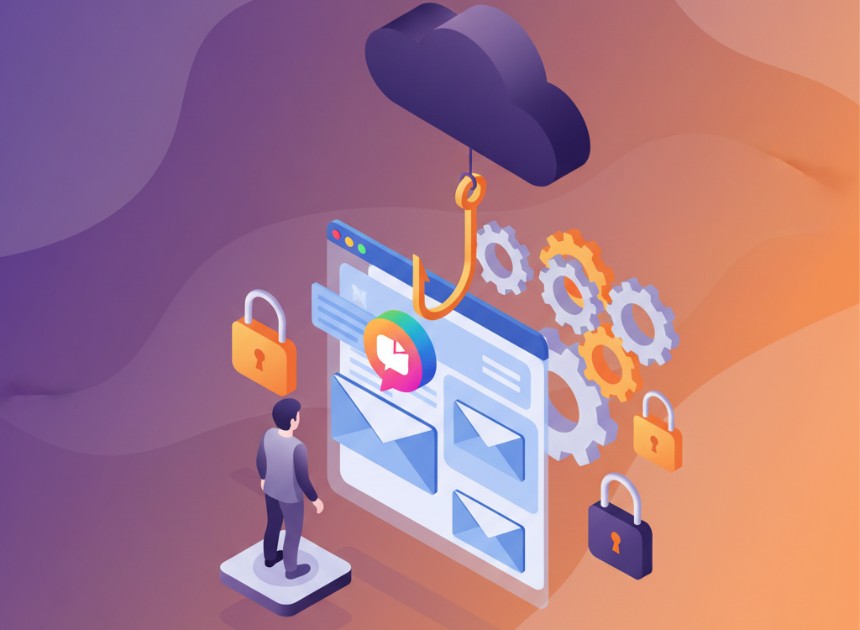
In the world of modern cybersecurity, we often focus on the sophistication of the malware or the complexity of the firewall. However, the most successful breaches rarely exploit a software bug; instead, they exploit a human one. Phishing remains the primary vector for initial access because it bypasses technical controls by targeting the cognitive biases that govern human decision-making. Even the most intelligent and well-trained professionals are susceptible to these tactics because hackers aren't just attacking servers—they are attacking the human brain.
The Mechanism of Cognitive Ease
Most phishing emails are designed to induce a state of cognitive ease or, conversely, intense pressure. When we are in a rush or performing repetitive tasks, our brain relies on System 1 thinking—an intuitive, fast, and automatic mode of processing. By mimicking the visual language of familiar brands or internal corporate communications, attackers ensure the recipient does not engage their analytical System 2 thinking. This is why a senior executive might click a fraudulent link in an invoice email while multitasking; their brain has already 'verified' the sender's identity based on superficial patterns before the rational mind can intervene.
"The goal of a sophisticated phish is not to look real, but to feel urgent enough that the victim forgets to check if it is real."
Three Triggers That Bypass Training
At iExperts, we have analyzed thousands of simulated attacks to identify the primary psychological triggers that cause security awareness training to fail:
- The Authority Principle: Humans are conditioned to comply with requests from perceived authority figures. An email that appears to come from the CEO or the IT Help Desk creates an immediate social pressure to obey.
- The Scarcity and Urgency Loop: By creating a false sense of time pressure, such as 'Your account will be deactivated in 1 hour,' attackers force the victim into a high-stress state where critical thinking is deprioritized.
- The Affect Heuristic: Attackers often use emotional language—whether it is fear of a security breach or the excitement of a reward—to cloud the victim's judgment.
Pro Tip
To align with NIST CSF 2.0 guidelines, move beyond once-a-year training. Implement Contextual Awareness Training which delivers micro-learning moments at the point of failure, reinforcing positive behavior when the psychological trigger is most relevant.
Building a Human Firewall
Building resilience against phishing requires more than just telling employees not to click. It requires a culture where the organization acknowledges human vulnerability and provides the tools to mitigate it. This aligns with standards like ISO/IEC 27001:2022, which emphasizes the importance of information security awareness, education, and training.
- Behavioral Baseline Analysis
- Customized Simulation Workshops
- Reporting Culture Development
Understanding the 'why' behind the click is the first step toward true organizational security. By recognizing these cognitive triggers, iExperts helps firms design training that actually sticks, transforming employees from a liability into the strongest line of defense.