Logistics and Shipping Securing the Global Supply Chain
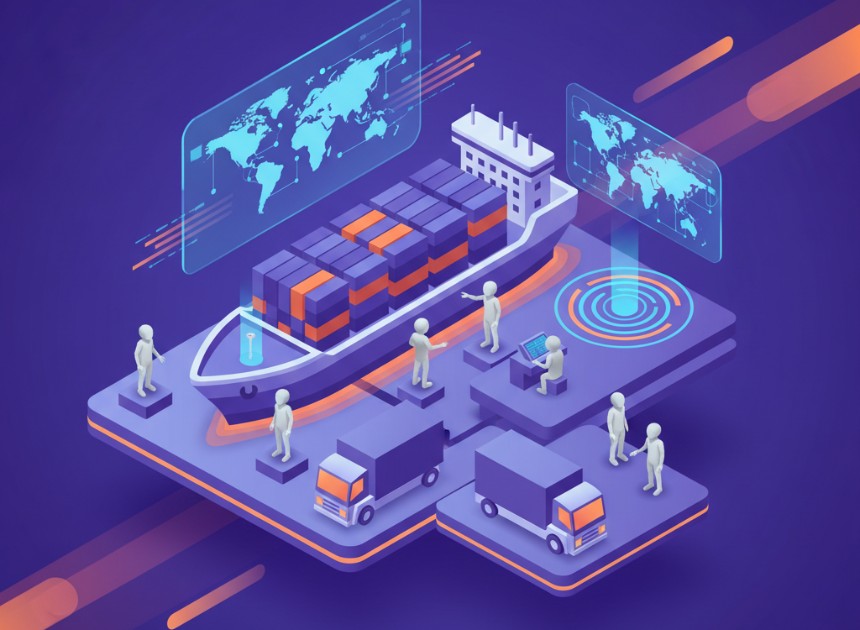
Logistics and Shipping: Securing the Global Supply Chain
The global supply chain is the lifeblood of the modern economy, yet it remains one of the most vulnerable targets for both physical theft and digital disruption. As goods transition through various modes of transport—maritime, air, and land—the handoff points create security gaps that require a unified management approach. At iExperts, we advocate for the adoption of the ISO 28000 framework as the gold standard for securing these complex networks.
The Pillars of ISO 28000 in Modern Logistics
ISO 28000 specifies the requirements for a security management system, particularly for those involved in the supply chain. It addresses security at all levels, from the manufacturing floor to the final point of delivery. By implementing this standard, organizations can transition from reactive security measures to a proactive, risk-based posture.
- Threat Assessment
- Operational Control
- Emergency Response Planning
- Physical Asset Protection
Bridging Physical and Digital Security
Today, the movement of goods is inseparable from the movement of data. Real-time tracking, IoT sensors, and automated warehouses have increased efficiency but also introduced new attack vectors. For a logistics firm to be truly secure, they must align their ISO 28000 physical protocols with ISO/IEC 27001:2022 for information security and the NIST CSF 2.0 for overall resilience.
"A chain is only as strong as its weakest link, and in global logistics, that link is often the lack of visibility between physical transit and digital data logging."
Pro Tip
When securing international cargo, utilize Chain of Custody (CoC) documentation that is cryptographically signed. This ensures that the digital record matches the physical state of the cargo at every checkpoint, reducing the risk of tampering or fraud.
Conclusion
Securing the global supply chain is a continuous journey of assessment and improvement. By integrating ISO 28000 principles with modern digital security standards, logistics providers can protect their assets, ensure compliance with international regulations like GDPR for shipping data, and maintain the trust of their global partners. At iExperts, we are committed to helping organizations build the resilient frameworks necessary to navigate the complexities of modern trade.