The Deepfake Threat Protecting Executive Identity
The Deepfake Threat: Protecting Executive Identity
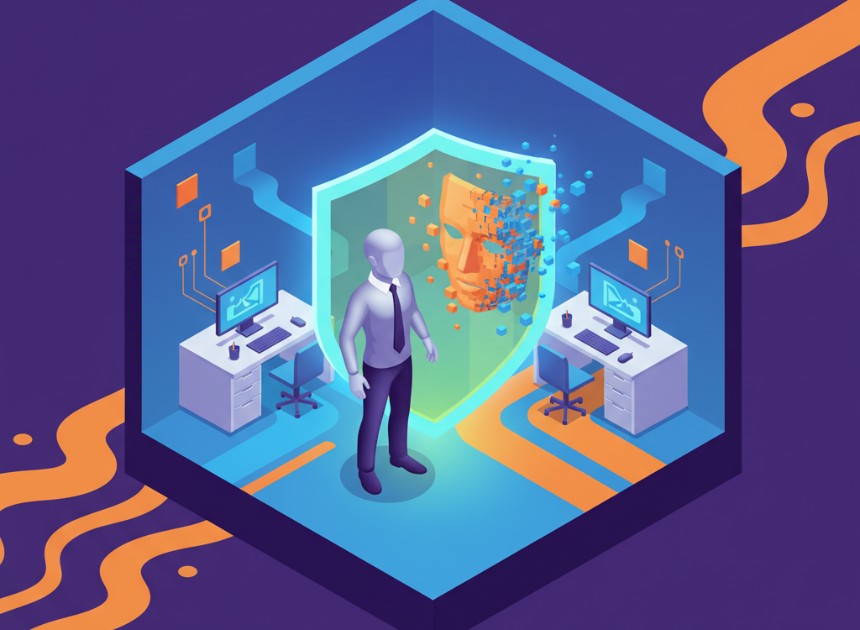
As artificial intelligence matures, the methods employed by threat actors have shifted from simple phishing emails to highly sophisticated, synthesized impersonations. At iExperts, we are increasingly seeing deepfake technology used to bypass traditional security controls by mimicking the voice and likeness of corporate leaders. Protecting executive identity is no longer just a privacy concern; it is a critical component of a robust GRC strategy and organizational resilience.
The Mechanics of Synthesized Social Engineering
Modern deepfakes utilize generative adversarial networks to create convincing audio and video content. When applied to social engineering, these tools allow attackers to initiate fraudulent wire transfers or request sensitive data while appearing as a trusted executive. This evolution requires a shift in how we approach the Human Element of cybersecurity, moving beyond basic awareness toward specialized behavioral detection.
"The most dangerous vulnerability in modern business is not a software bug, but the exploitation of trust through synthesized authority."
Impact on Corporate Governance
Failure to address deepfake threats can lead to catastrophic consequences that transcend IT departments. According to frameworks like NIST CSF 2.0, organizations must identify and manage risks to their critical assets, which include the reputation and authority of their leadership team. Key risks include:
- Financial Exfiltration
- Brand Reputational Damage
- Strategic Misinformation
- Unauthorized Access to Sensitive Systems
Pro Tip
Implement a strict Out-of-Band (OOB) Verification protocol for all high-value requests. Even if a video call looks and sounds legitimate, executives should require confirmation through a secondary, pre-approved channel that does not rely on AI-synthesized media.
The iExperts Approach to Training
Our methodology focuses on empowering leadership teams with the technical and psychological tools needed to spot inconsistencies in AI-generated media. By aligning with ISO/IEC 27001:2022, we help organizations build a culture of verification:
- Artifact Detection: Training leaders to look for visual glitches, unnatural blinking patterns, and audio inconsistencies typical of current deepfake tech.
- Verification Frameworks: Developing internal challenge-response systems that verify identity without relying on biometrics alone.
- Incident Response Integration: Ensuring that suspected deepfake encounters are reported and analyzed within the standard security operations workflow.
The threat of deepfakes is an evolving frontier in the cyber landscape. Through rigorous training and advanced governance, iExperts ensures that your leadership remains protected and your organization's trust remains unbroken.