Strengthening Global Resilience Implementing ISO 28000 for Supply Chain Security
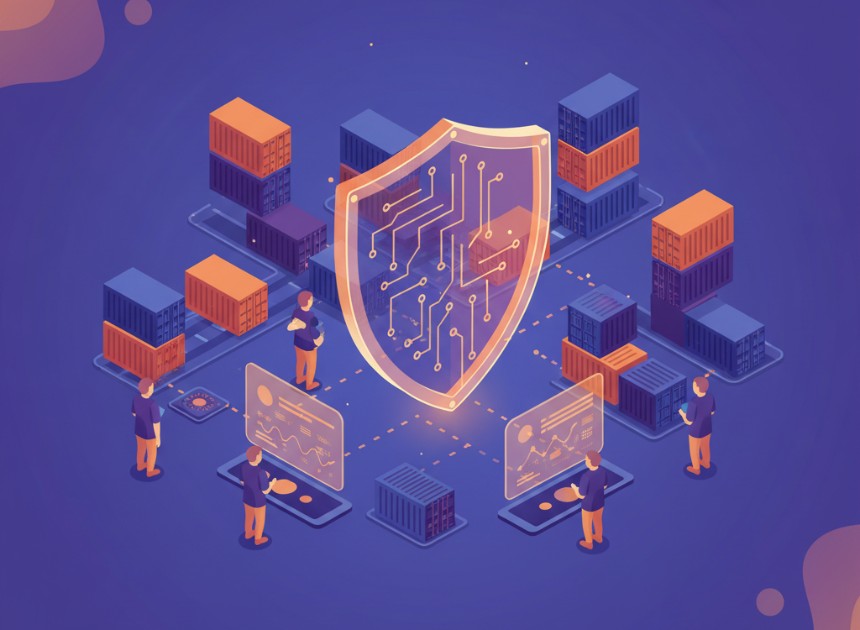
Strengthening Global Resilience: Implementing ISO 28000 for Supply Chain Security
In an era defined by global interconnectivity, the logistics sector faces an unprecedented array of threats. From physical theft and cargo tampering to sophisticated cyber-attacks on tracking systems, the movement of goods is no longer just a logistical challenge but a security imperative. At iExperts, we recognize that true resilience requires a holistic approach that bridges the gap between the warehouse floor and the digital cloud.
The Core of ISO 28000 Principles
The ISO 28000:2022 standard provides a robust framework for establishing a Security Management System (SMS) specifically tailored for the supply chain. Unlike generic security protocols, ISO 28000 focuses on identifying critical touchpoints where security breaches could impact the continuity of operations. It allows organizations to assess risks objectively and implement controls that are both cost-effective and operationally efficient.
"Security is no longer a peripheral concern; it is the backbone of operational continuity in global trade and the primary driver of customer trust."
Converging Physical and Digital Security
Traditional logistics security often focused solely on fences, locks, and guards. However, modern supply chains rely heavily on IoT sensors, automated warehouses, and real-time tracking software. A vulnerability in the digital layer can be just as devastating as a physical breach. By aligning with NIST CSF 2.0 and ISO 28000, iExperts helps organizations build a unified defense strategy.
- Asset Integrity: Ensuring that physical goods remain untampered from origin to destination.
- Data Confidentiality: Protecting sensitive shipping manifests and client data from unauthorized access.
- System Availability: Safeguarding the digital infrastructure that manages fleet movements and inventory levels.
Key Deliverables for Security Excellence
- Threat Vulnerability Assessment
- Supply Chain Mapping
- Incident Response Planning
- Vendor Risk Management
Pro Tip
When conducting your initial risk assessment, ensure you include downstream partners and third-party logistics (3PL) providers. A security chain is only as strong as its weakest link. Utilize ISO 31000 principles to quantify risks before applying the specific security controls found in ISO 28000.
The path to a secure supply chain is a continuous journey of improvement. By adopting the international standards championed by iExperts, your organization can transform security from a cost center into a competitive advantage that ensures the safe and timely delivery of goods across the globe.