Data Center Tiering Understanding Uptime Institute Standards
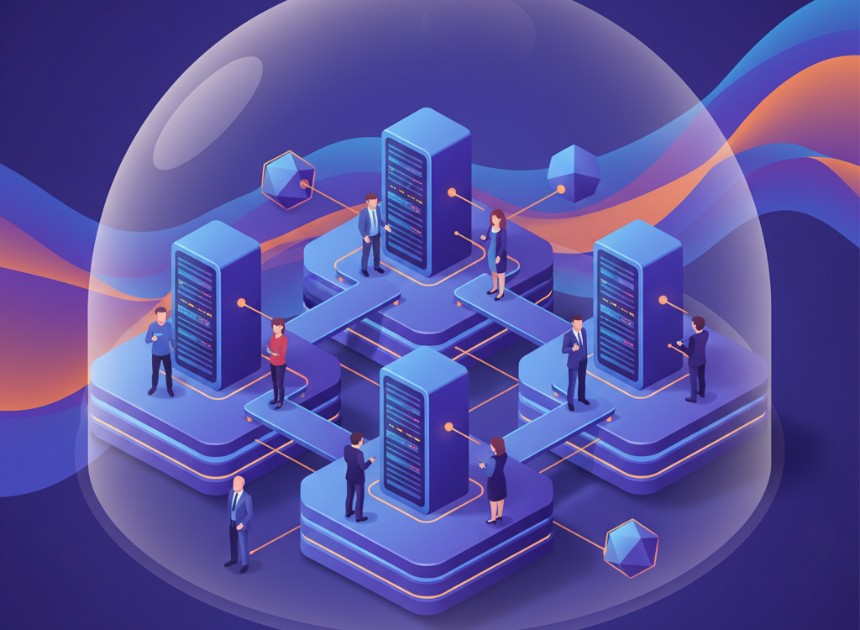
Data Center Tiering: Understanding Uptime Institute Standards
In the world of mission-critical infrastructure, not all data centers are created equal. For facility managers and IT directors, selecting the right site is not just about square footage or cooling capacity; it is about understanding the Uptime Institute Tier Standard. At iExperts, we assist organizations in aligning their infrastructure investments with their actual business requirements to avoid the high costs of over-engineering or the catastrophic risks of under-performance.
Defining the Four Tiers of Reliability
The Uptime Institute established the Tier Classification System as a global benchmark for data center performance. Each tier represents a specific level of redundancy and fault tolerance, directly impacting the expected annual downtime.
- Tier I: Basic Capacity: Ideal for small businesses with non-critical needs. It offers no redundancy, meaning a single component failure can lead to an outage.
- Tier II: Redundant Components: Introduces partial redundancy for power and cooling (N+1), providing slightly better protection against equipment failure.
- Tier III: Concurrently Maintainable: This is the enterprise gold standard. It allows for any component to be removed for maintenance without impacting the load.
- Tier IV: Fault Tolerant: The highest level of resilience, designed to sustain a major failure of any system without affecting operations.
Key Deliverables for Tier Alignment
Achieving a specific tier certification requires rigorous documentation and architectural planning. When iExperts evaluates a facility, we look for several critical markers of compliance:
- N+1 Redundancy Configuration
- Independent Distribution Paths
- Backup Power Sustainability
- Fault Isolation Systems
"Tiering is not just a badge of honor; it is a calculated business decision that balances the cost of downtime against the cost of infrastructure investment."
Pro Tip
Always ensure your data center strategy integrates with broader compliance frameworks such as ISO/IEC 27001:2022 and NIST CSF 2.0. Physical site resilience is a cornerstone of the Availability pillar in the CIA triad.
Conclusion
Selecting the appropriate tier level is fundamental to your organization's digital resilience. Whether you are aiming for the cost-effective Tier II or the ultra-resilient Tier IV, the key is consistency in design and operational rigor. The team at iExperts is here to guide you through the certification journey and ensure your infrastructure meets the highest global standards.