Security for Education Protecting the Digital Campus
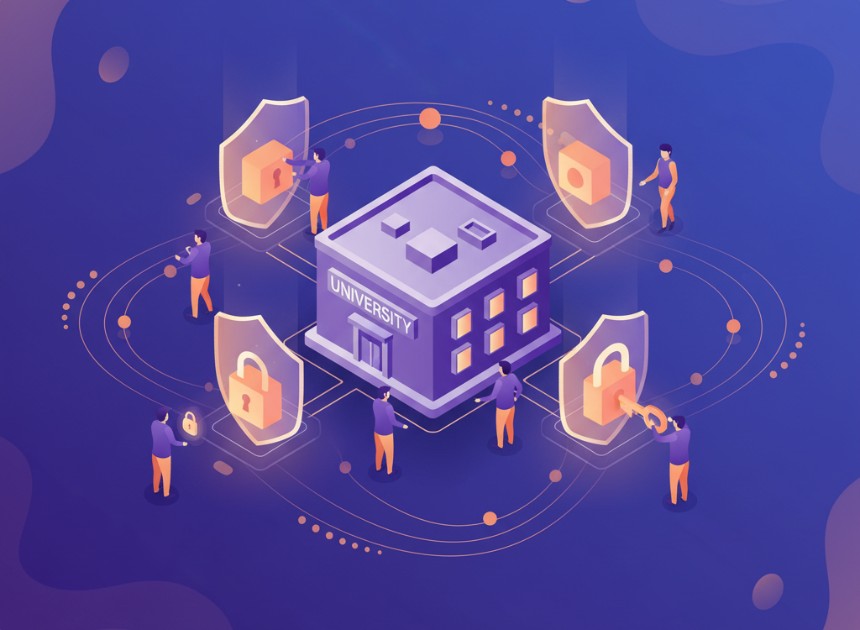
Security for Education: Protecting the Digital Campus
The rapid transition to remote and hybrid learning models has fundamentally altered the threat landscape for educational institutions. No longer confined to a physical perimeter, the digital campus now spans across thousands of residential networks and personal devices. As a iExperts consultant, I have seen firsthand how this expansion has made schools and universities prime targets for ransomware and data breaches. Protecting student data is not just a technical requirement; it is a fundamental pillar of institutional trust.
Navigating the Regulatory Landscape
Educational institutions must navigate a complex web of regulations designed to protect sensitive information. From FERPA in the United States to GDPR in Europe, the mandate is clear: personal identifiable information (PII) must be handled with the highest level of care. Adopting international standards like ISO/IEC 27001:2022 provides a structured framework for managing these risks effectively.
- Data Sovereignty: Ensuring student records are stored and processed within legal jurisdictions.
- Audit Readiness: Maintaining continuous compliance logs to meet regulatory inspections.
- Access Control: Implementing strict protocols for who can view and modify academic records.
"Cybersecurity in education is no longer about just blocking websites; it is about ensuring the continuity of learning through resilient data governance."
Key Deliverables for a Secure Digital Campus
A robust security posture requires more than just software; it requires a culture of awareness and a strategic roadmap. At iExperts, we recommend focusing on these critical areas to build a resilient environment:
- Multi-Factor Authentication (MFA)
- Endpoint Detection and Response (EDR)
- Encrypted Cloud Storage
- Security Awareness Training
Pro Tip
Move toward a Zero Trust Architecture by verifying every request, regardless of where it originates. In a digital campus, the network should never assume a device is safe just because it is connected to the university Wi-Fi.
Building a Sustainable Future
As we look toward the future of education, the integration of AI and advanced learning platforms will only increase the volume of data generated. By aligning with frameworks like NIST CSF 2.0, institutions can ensure they are prepared for emerging threats while providing a safe and innovative learning environment for students. The team at iExperts is dedicated to helping you bridge the gap between educational goals and cybersecurity excellence.