Digital Safety Integrating Cybersecurity into ISO 45001
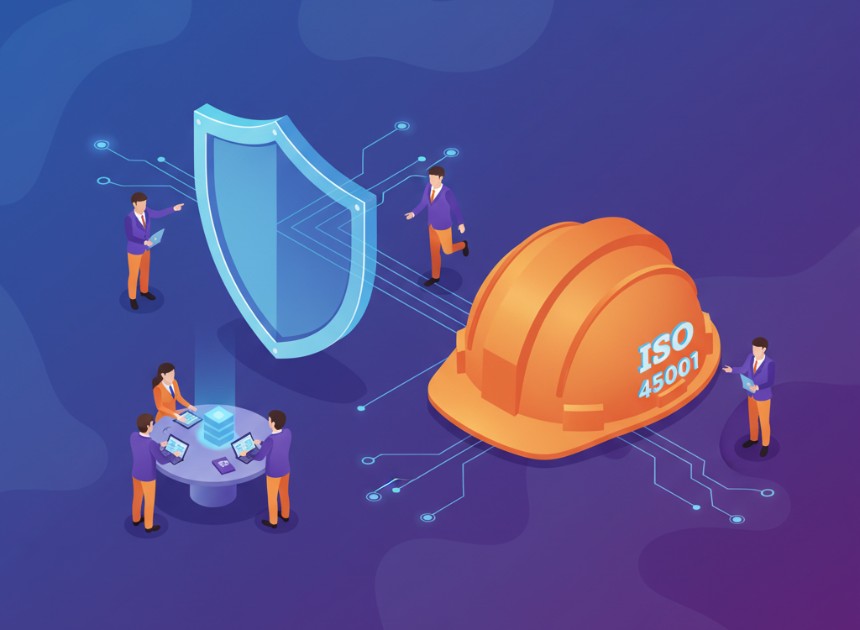
Digital Safety: Integrating Cybersecurity into ISO 45001
For decades, occupational health and safety (OHS) was defined by physical boundaries. We talked about hard hats, ergonomic chairs, and spill kits. However, as the global workforce transitions into a permanent state of digital reliance, iExperts has observed a critical shift: the definition of a safe work environment now extends into the digital realm. The integration of cybersecurity into the ISO 45001 framework is no longer an option; it is a necessity for protecting the modern worker.
The Digital Extension of Worker Safety
Under ISO 45001:2018, organizations are required to identify hazards and assess risks to worker health. In a hyper-connected landscape, a cyberattack is not just a financial risk; it is a safety hazard. If a ransomware attack shuts down a manufacturing line abruptly or compromises the environmental controls in a smart building, the physical safety of employees is immediately at stake. By aligning your OHS risk register with ISO/IEC 27001:2022 controls, you create a unified defense mechanism.
"The psychological impact of digital insecurity is the silent hazard of the 21st century. Protecting a worker's tools is now inseparable from protecting their mental wellbeing."
Cybersecurity and Mental Health
Psychological safety is a core pillar of the updated ISO 45003 guidance. Digital stressors such as identity theft, cyber-bullying within corporate platforms, or the constant anxiety of a potential data breach contribute significantly to worker burnout. When iExperts consults on GRC strategy, we emphasize that robust cybersecurity protocols reduce the cognitive load on employees, allowing them to operate in a high-trust environment.
Key Deliverables for Integrated Safety
- Digital Hazard Identification
- Cyber-Physical Incident Response
- Secure Remote Work Policies
- GDPR-Compliant Health Data Handling
Pro Tip
When conducting your next internal audit, evaluate your BYOD (Bring Your Own Device) policy through the lens of ISO 45001. Ensure that security software installed on personal devices does not overreach into employee privacy, as this can create a culture of surveillance that negatively impacts psychological health.
Conclusion
Digital safety is no longer the sole responsibility of the IT department. It is a shared domain where GRC, HR, and Safety Officers must meet. By integrating cybersecurity controls into your ISO 45001 management system, you are not just protecting data; you are protecting the people who drive your business forward. Let iExperts help you bridge this gap with a comprehensive, standards-aligned approach.